

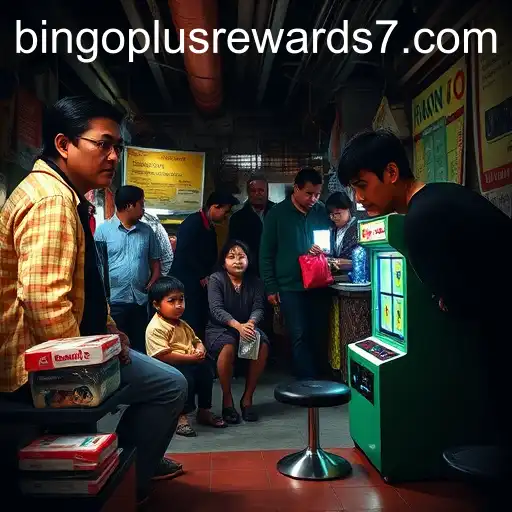

For decades, the game of Jueteng has been deeply embedded in the cultural and economic fabric of many communities in the Philippines. As an illegal numbers game, it has created a controversial discourse around gambling, poverty, and politics. Similarly, games like Bingo have also garnered a massive following, providing entertainment and bingo plus rewards to countless players across the nation. By exploring the nuances of Jueteng and drawing parallels to legitimate gaming options, we can better understand its allure and impact.
Jueteng traces its roots back to the Spanish colonial period, becoming an informal activity that has since evolved into a widespread underground gambling enterprise. It operates much like a lottery, where bettors choose a combination of numbers, and winners are determined through a random drawing of numbered balls. Its simplicity and accessibility make Jueteng immensely popular, especially in small towns and rural areas.
This game sustains itself on the micro-economies of localities, providing monetary support not just through winnings, but also through employment opportunities in the form of bet collectors and coordinators. Despite its illegality, local operatives often run Jueteng with tacit or overt communication with authorities, allowing it to thrive in a grey area of social tolerance.
On paper, Jueteng appears to contribute positively to local economies through its job creation and immediate monetary rewards. However, the darker truths lie beneath as it often victimizes the financially vulnerable who seek quick fixes to economic hardship. The promise of cash wins can become an addictive indulgence, impeding personal and community development as individuals prioritize gambling over more sustainable investments.
Beyond the economic implications, Jueteng weaves complex societal relations, often acting as a lever of political power. Allegedly, influential leaders and even political candidates have funded campaigns or cushioned community backlash through the covert support of this game. The intertwining of gambling proceeds with political and social power showcases the intricate web of dependency and influence that Jueteng weaves within Filipino society.
While Jueteng exploits the vulnerabilities of individuals yearning for financial relief, legitimate games such as Bingo offer a structured and regulated form of recreation. The appeal of Bingo is its combination of chance-based excitement with social interaction. It’s a game that both entertains and rewards, with various forms, including online platforms that provide bingo plus rewards, enabling wider participation without the risks associated with illegal gaming.
These bingo plus rewards often come in the form of bonuses or entry into jackpot draws that can enhance the gaming experience without exploiting a player’s lack of financial literacy. Unlike Jueteng, which operates in unregulated shadows, Bingo platforms are subject to government oversight, ensuring a fair play environment and securing player protection.
Considering Jueteng’s embeddedness in community structure, transitioning away from it requires systemic change and long-term economic strategies. Legitimate gaming services like Bingo, which provide structured entertainment and rewards, must be made more accessible. More so, education concerning financial literacy and the risks of illegal gambling should accompany any legitimate gaming promotions to ensure informed participation.
Governments and non-profits could engage in community-centered programs that deliver alternative livelihoods to those involved in the Jueteng operations. Offering skills training and financial workshops may empower individuals to pursue sustainable sources of income beyond gambling-associated activities.
Addressing the Jueteng issue also involves a robust legal framework that not only penalizes but also dissuades participation through effective enforcement. Policymaking must ensure that any anti-Jueteng legislations come with socio-economic supports to help alleviate the community dependence on gambling revenues.
In contrast, enhancing the regulation of legitimate gaming sectors to incorporate fair gaming safeguards, along with public awareness campaigns, can help diminish the allure of illegal gambling while promoting responsible gaming practices. By doing so, both players and communities can enjoy the entertainment and rewards offered without legal repercussions.
Ultimately, the transformation from Jueteng to legitimate gaming solutions like bingo plus rewards involves concerted efforts from multiple societal sectors. Policymakers, community leaders, and industry stakeholders must collaborate to ensure that no community feels left behind. Providing engaging, secure, and rewarding gaming experiences, while enhancing socio-economic conditions, can responsibly address the gambling challenges rooted in Philippine society.

Dive into the vibrant universe of FruitRush, a thrilling game that combines fast-paced action with rewarding bingo elements. Learn about its gameplay mechanics, special rewards, and its unique place amidst current gaming trends.
Dive into the captivating realm of LuckyBatsM, a game that merges classic bingo with modern rewards systems, offering players an engaging and rewarding experience.

Discover the exciting world of InnerFireBonusBuy, a captivating game featuring thrilling gameplay and bingo plus rewards.

Explore the thrilling world of CollapsedCastleBonusBuy, a captivating game that combines medieval themes with rewarding gameplay mechanics. Discover its rules, gameplay elements, and how it aligns with current gaming trends.
Discover the intriguing universe of Dragon8s25x, a thrilling new game combining classic elements with innovative gameplay, alongside insights into bingo plus rewards.
Explore the enchanting world of ImmortalEmpress, a captivating game that blends strategy, adventure, and bingo plus rewards.
